Best Time to Visit
Aim for the dry season, roughly June to September, for the most comfortable outdoor sightseeing, and plan around national holidays if you want the atmosphere or want to avoid the crowds.
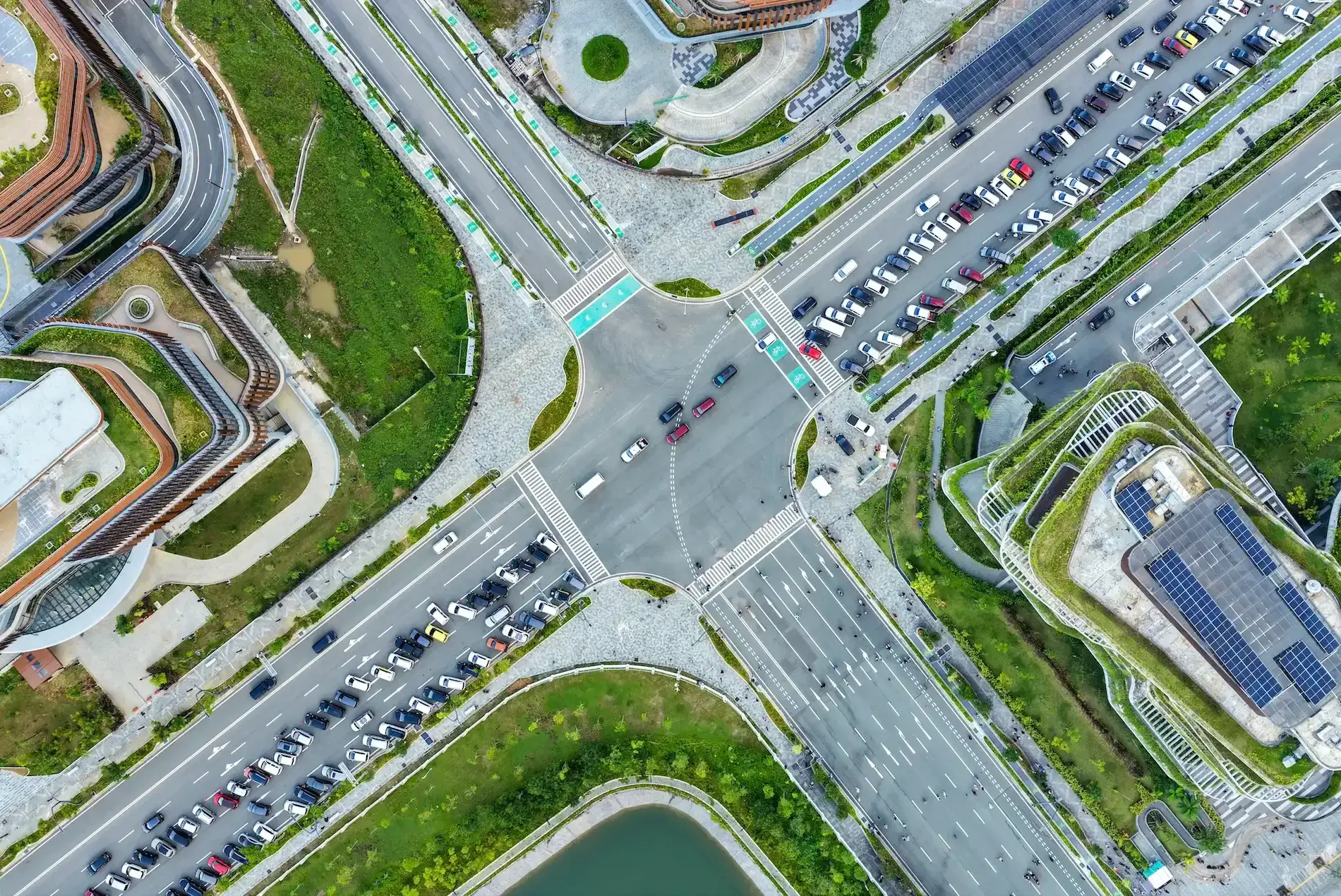
East Kalimantan sits on the equator, so rain is possible at any time of year, this isn't a place with a long, guaranteed dry stretch the way some parts of Indonesia have. That said, the region typically has a shorter dry season, usually falling somewhere between June and September, when conditions are generally more comfortable for walking between outdoor stops like Titik Nol, the plazas, and the glass bridge.
Worth knowing: this pattern isn't fixed every year. The 2025 to 2026 wet season ran unusually long, stretching into the middle of 2026, driven by broader climate patterns that vary from year to year. If your trip is more than a couple of months out, it's worth checking Indonesia's meteorological agency (BMKG) for the current seasonal outlook rather than assuming a typical year.
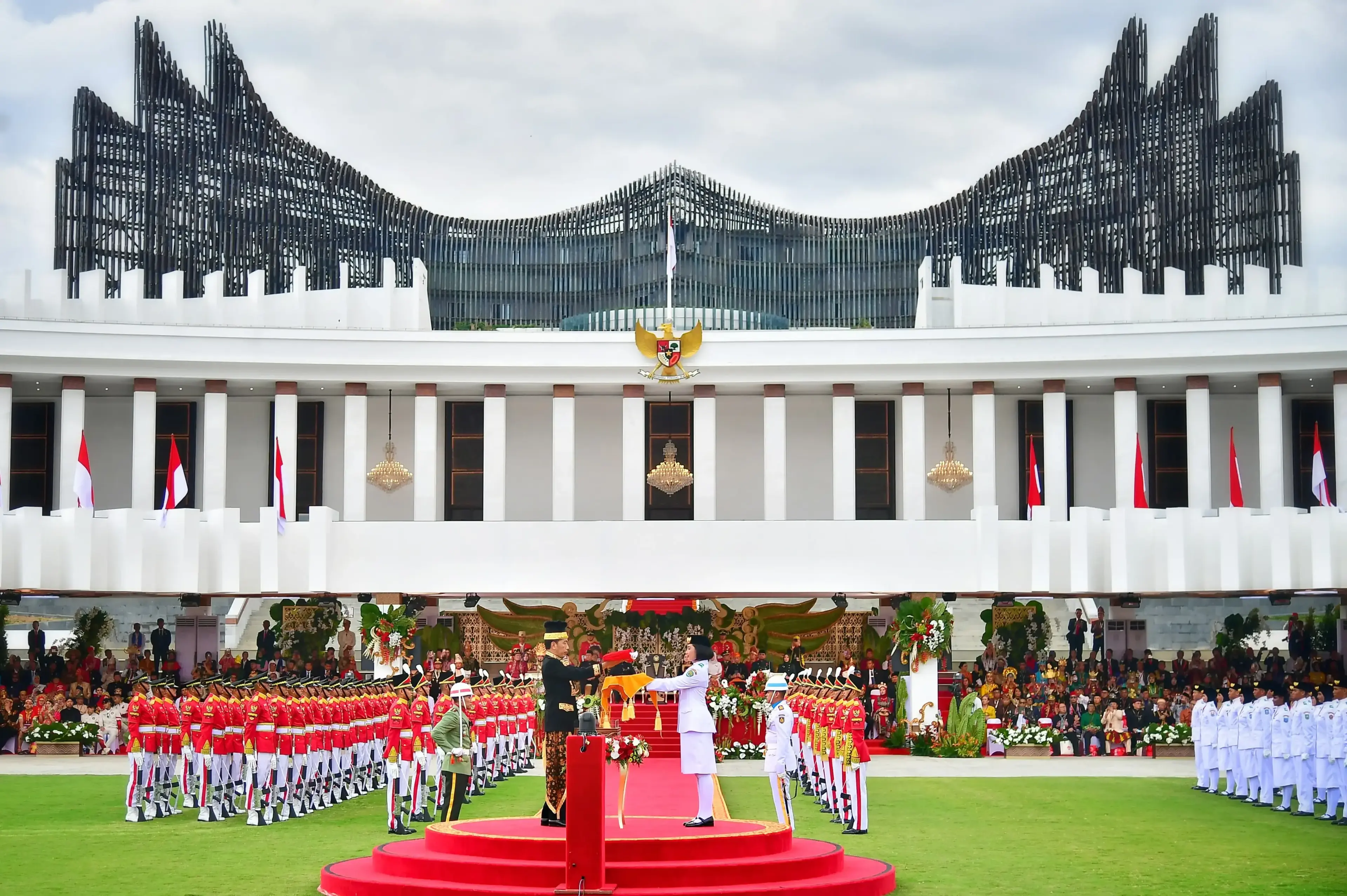
Beyond weather, a few dates are worth planning around deliberately. August 17, Indonesia's Independence Day, brings major ceremonies to IKN and is genuinely worth experiencing if you want to see the city at its most significant, though expect it to be extremely busy. Eid (Lebaran) and Easter school holidays also bring enormous crowds, over 350,000 visitors came during the 2026 Eid period alone, and nearly 60,000 during Easter that same year. Note that Eid follows the Islamic calendar and shifts earlier by about 11 days each year, so it won't fall on the same dates or in the same season every time you might plan a trip.
If you'd rather have a quieter, more comfortable visit, a weekday during the dry season and outside these major holiday windows is your best combination. If you want the fullest, most vibrant atmosphere, food stalls, crowds, national pride on display, visiting during a major holiday is a completely different but equally valid way to experience the city.
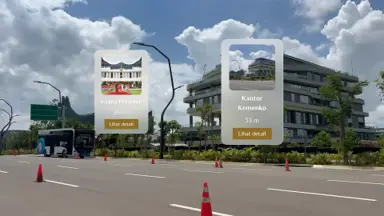
Are you in IKN? Explore Nusantara in AR
NewPoint your phone's camera and discover locations around you in real time, complete with live distance and direction.