Weather and Best Time to Visit
Nusantara has a hot, humid equatorial climate with a longer wet season than dry. May to September, during the dry season, generally gives the driest, most comfortable conditions for an outdoor visit.
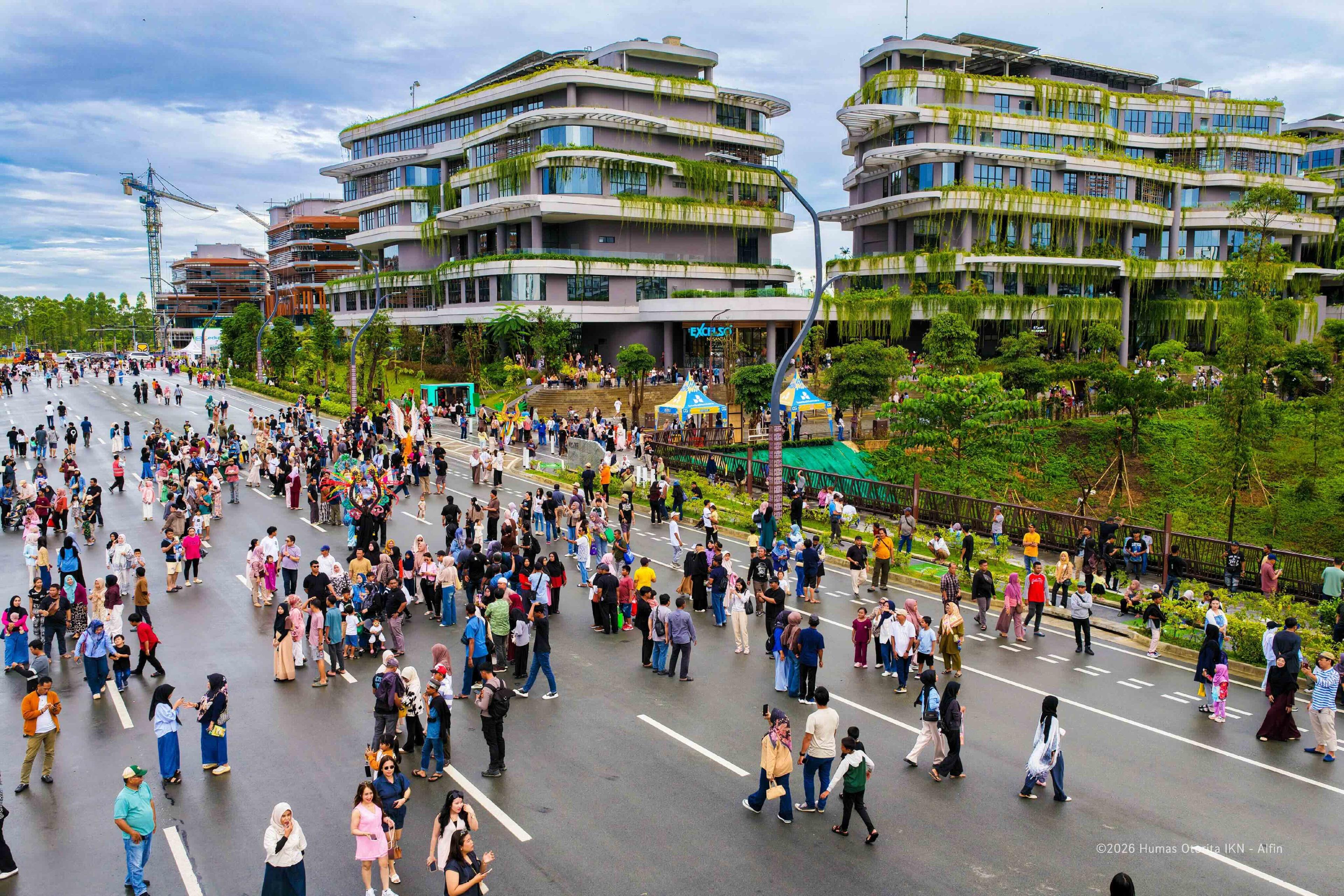
Nusantara sits right on the equator, so the climate is hot and humid year-round, with a wet season that typically runs longer than the dry season.
Dry season: May to September
East Kalimantan's dry season generally runs from around July through September, with a transitional period in October and November before the wet season sets in around November. In practice, the broader window from May to September tends to give the driest, sunniest conditions, which matters here because the official visit route, Plaza Seremoni and Taman Kusuma Bangsa, is mostly outdoors with limited shade.
Even the dry season isn't rain-free
Because Nusantara's climate is equatorial, rain can still show up even during the announced peak of the dry season, sometimes even on the exact days meteorologists mark as the driest. Pack for both sun and rain regardless of when you go.
What to pack
For heat: a hat or cap, sunglasses, sunscreen, and light, sweat-wicking clothing, you'll be walking a fair amount to see Istana Garuda, Masjid Negara, and the surrounding plazas. For rain: a compact umbrella or light rain jacket. Comfortable closed shoes cover both, and are already required for the Istana Negara area regardless of weather.
Rain and the construction site
Away from the paved visitor route, IKN is still an active construction site, and heavy rain can turn unpaved ground muddy or affect access in less-developed areas. Stick to the marked visitor route and don't let curiosity pull you off it during or after rain.
Visiting hours
Whatever the season, the official visit hours stay 9 AM to 5 PM WITA daily. Weather doesn't currently change the opening hours, but always check the IKNOW app for any day-of changes.
Visit between May and September for the driest conditions, but bring both sunscreen and a rain jacket either way, equatorial weather doesn't always cooperate with the calendar.