What Is Nusantara?
The vision behind Indonesia's new capital: a forest city, a sponge city, and a smart city, built from scratch on Borneo.
What Is Nusantara?
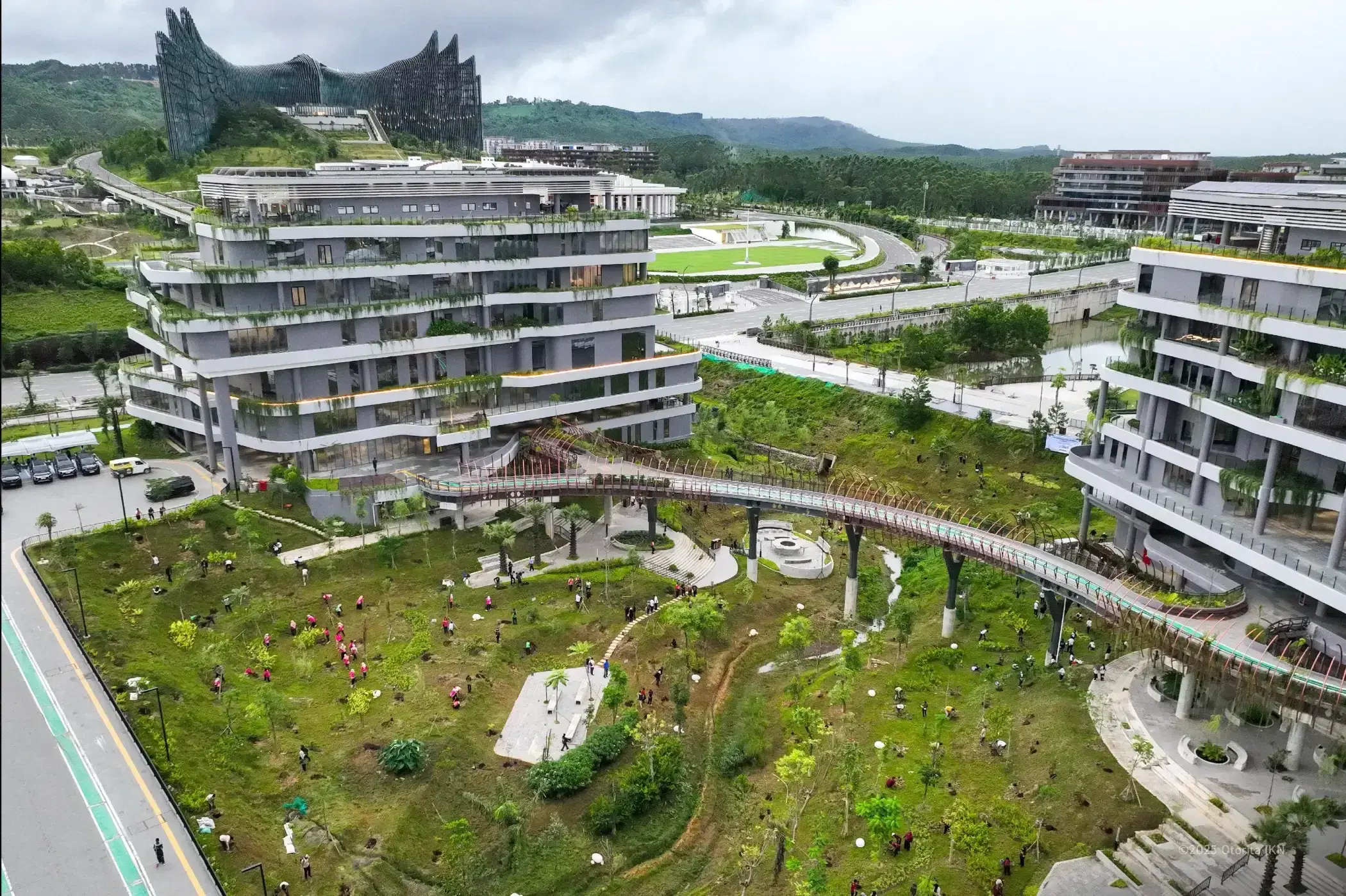
In 2024, Indonesia began the process of moving its national capital from Jakarta, a sinking, congested megacity on the island of Java, to a new city built from the ground up on the island of Borneo, in East Kalimantan. Its name is Nusantara, an old Javanese word for the Indonesian archipelago as a whole, and its ambitions are unusually specific for a city that, as of this writing, is still mostly under construction.
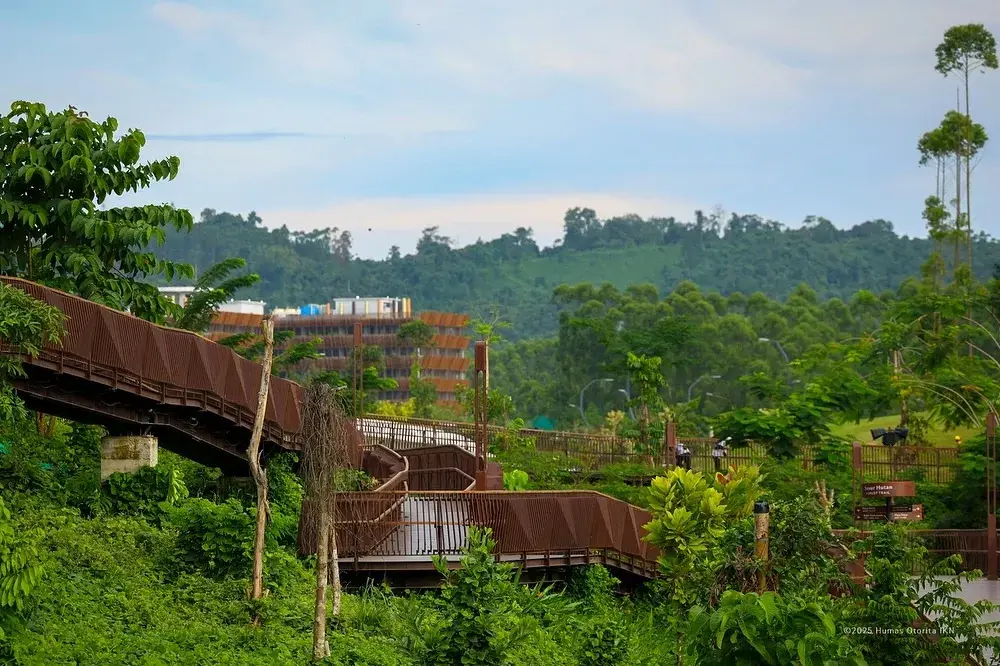
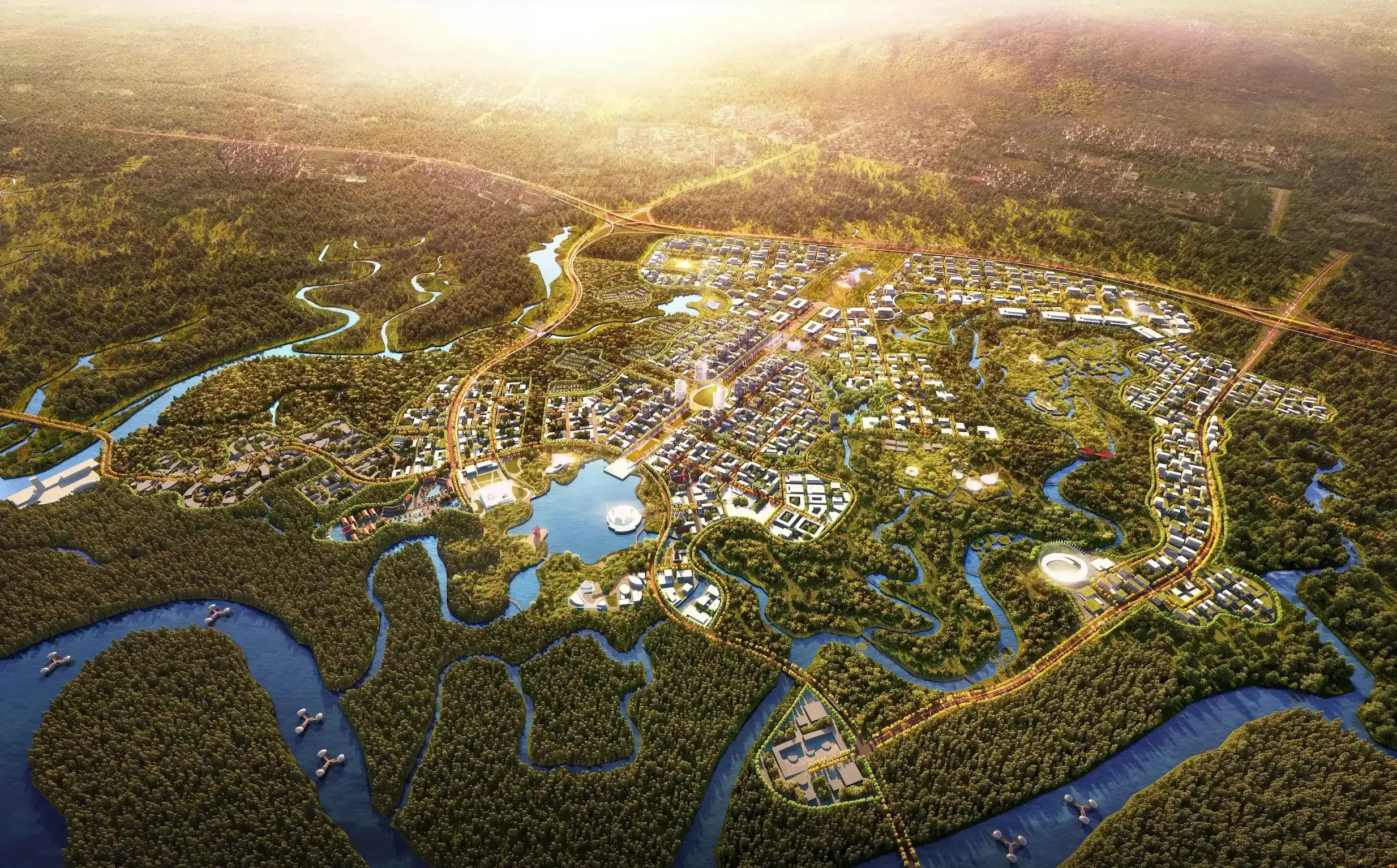
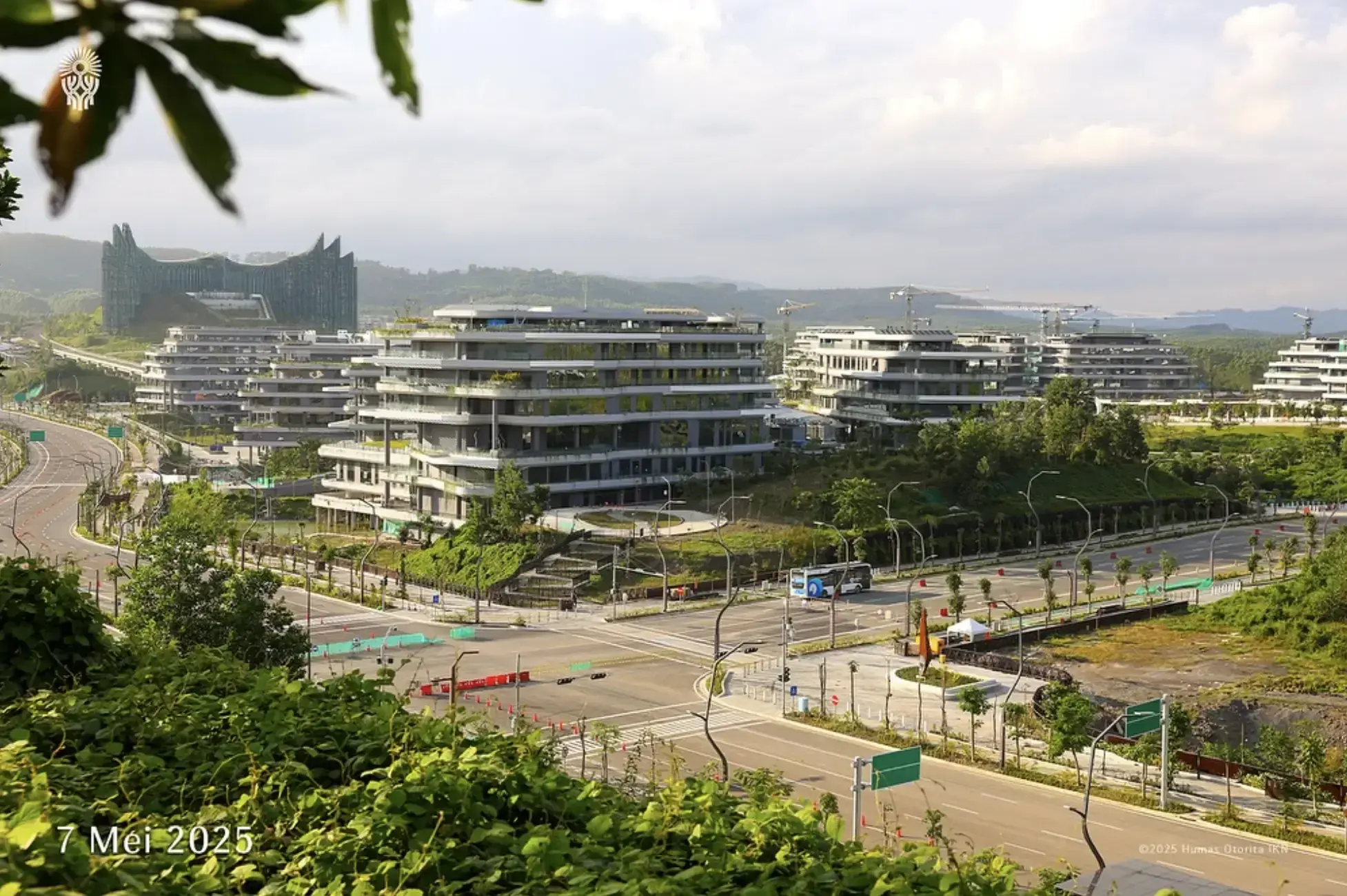
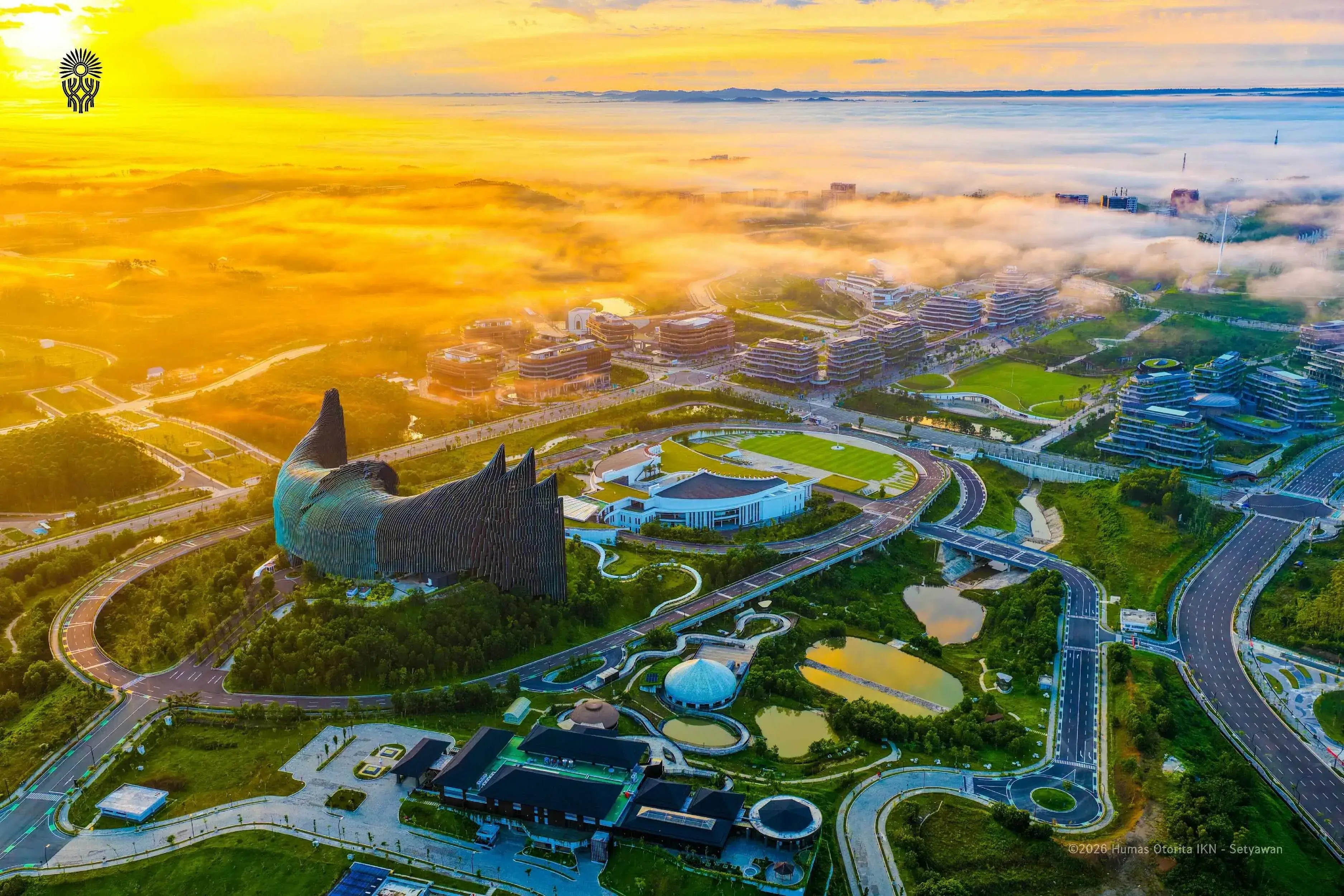
Nusantara's own tagline captures the idea in one line: a city in the forest, with a forest in the city. Nearly two-thirds of its territory is being set aside as protected forest and marine reserve, not as an afterthought, but as the organizing principle the rest of the city is built around.
Officially, Nusantara is designed around three ideas at once, all traced back to Indonesia's 2022 Presidential Regulation on the city's master plan:
A Forest City
Roughly 65% of Nusantara's total area, around 199,000 to 200,000 hectares, is designated as protected natural forest and marine reserve, connected by wildlife corridors on land and water. The remaining land, a little over 56,000 hectares, is where the actual city gets built.
A Sponge City
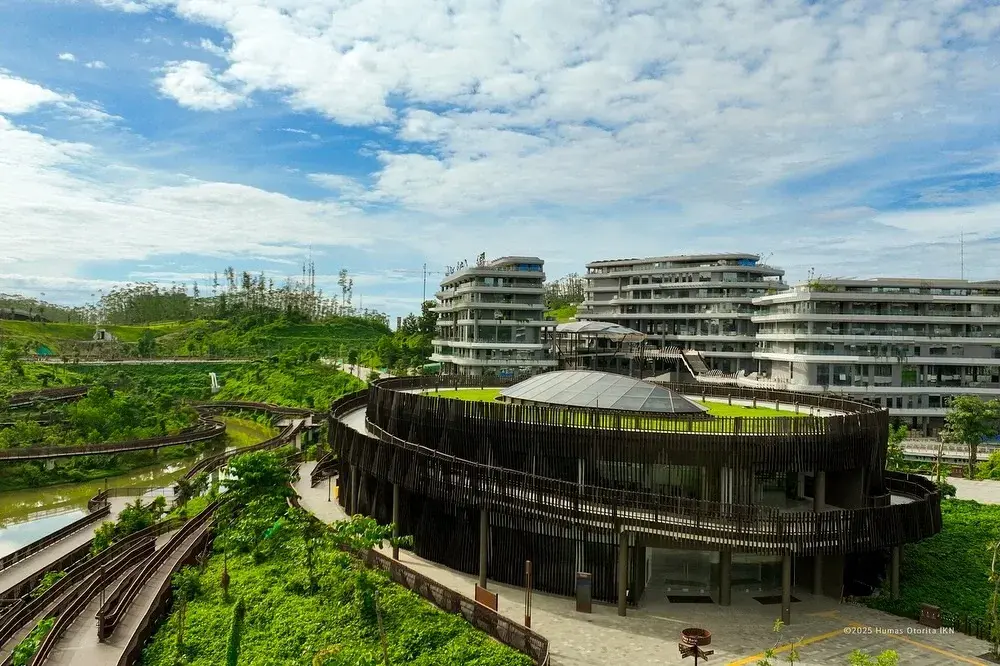
Cities usually pave over the natural water cycle: rain runs off concrete instead of soaking into the ground. Nusantara is designed to do the opposite: retaining rainwater on-site, building with porous surfaces and green roofs, and keeping the forest's natural flood-and-drought buffering intact as the city grows around it.
Why build a new capital at all?
Jakarta is sinking (parts of it by as much as 25 centimeters a year) while also being one of the most congested and flood-prone major cities in the world. Moving the capital is Indonesia's attempt to solve that problem outright rather than keep patching it, while also rebalancing development away from the island of Java, where the country's population and economy have long been concentrated.
Nusantara is also meant to be a symbol: Indonesia's government has said it wants to be among the world's seven largest economies by 2045, its 100th anniversary of independence, and the new capital is framed as both a driver of and a monument to that ambition.
The short version of a longer story
Nusantara's full story (including the design competition that chose its layout, and the decades of earlier proposals to move Indonesia's capital before this one finally happened) is told properly on our History page. The short version relevant here: the current legal and institutional foundation dates to 2022, when Indonesia passed the law establishing Nusantara as the new capital and created the Nusantara Capital Authority (Otorita IKN) to build and govern it, with a five-phase development plan running through 2045.
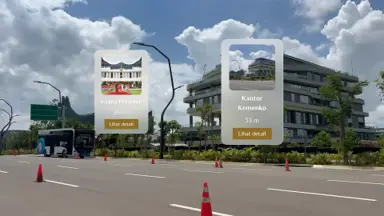
Are you in IKN? Explore Nusantara in AR
NewPoint your phone's camera and discover locations around you in real time, complete with live distance and direction.